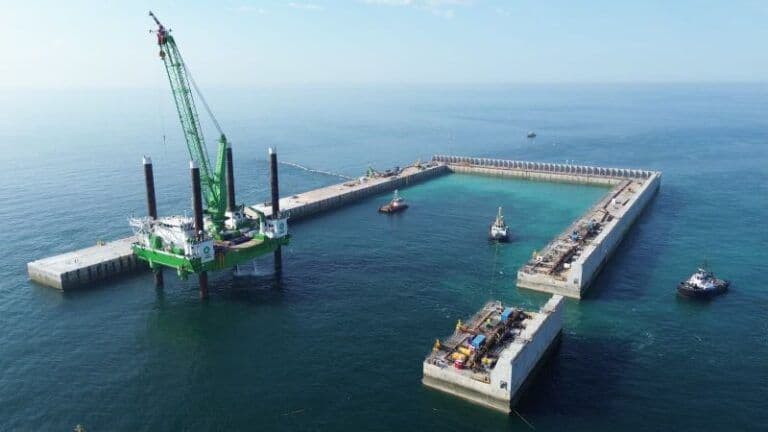
Seventeen of the total of 23 caissons have been installed at the Princess Elisabeth Island site, 45 kilometres off the Belgian coast, where TM Edison, a consortium of DEME and Jan De Nul, is building the first artificial energy island in the world. Developed by Belgium grid operator Elia Group, Prin
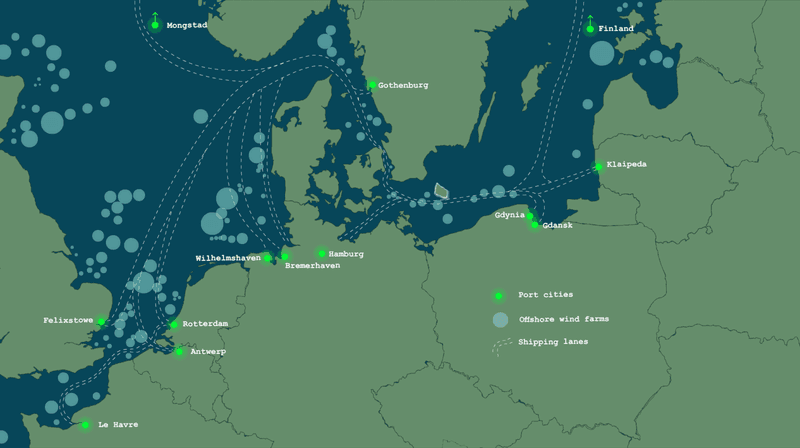
Offshore wind farms, energy islands, ports and proposed “Offshore Power Zones” could together form the foundation of an integrated maritime energy system capable of supporting large-scale vessel electrification across Northern Europe, according to a study by Maersk’s Stillstrom, Baltic Energy Island
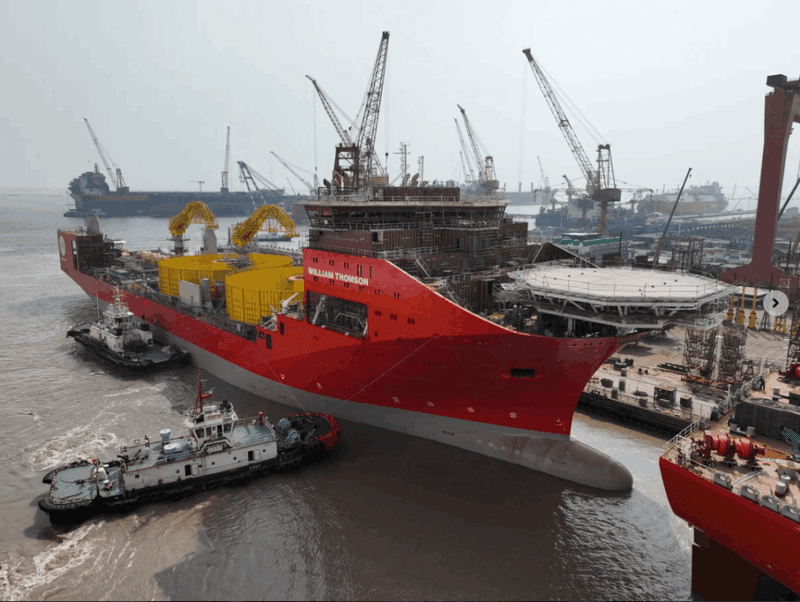
Jan De Nul has launched William Thomson, the second of two identical subsea cable‑laying vessels currently under construction. Both vessels have a cargo capacity of 28,000 tonnes and a length of 215 metres. This makes them the largest of their kind, Jan De Nul said. Jan De Nul’s two new cable-laying
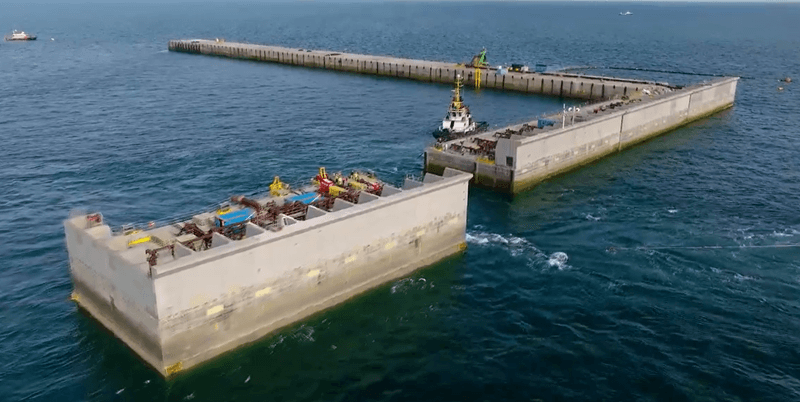
Belgian transmission system operator (TSO) Elia has opened a tender for civil construction works on the Princess Elisabeth Energy Island, the world’s first artificial energy island. The TSO is looking for a contractor carry out the works required to host AC and related infrastructure on Princess Eli
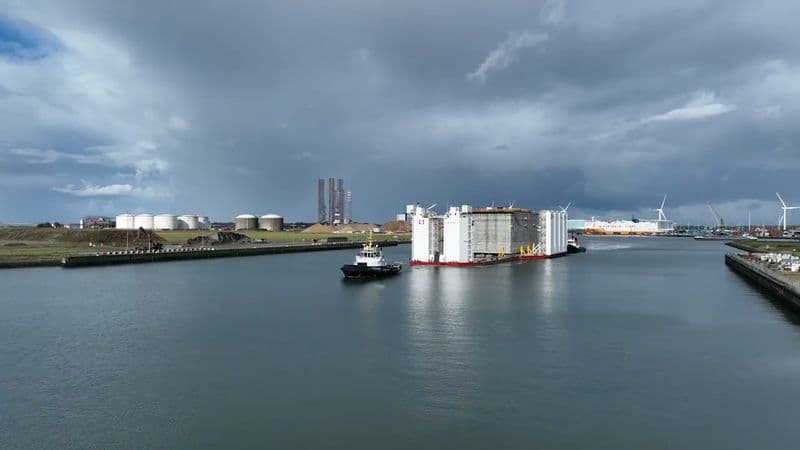
Jan De Nul has constructed and floated the remaining concrete structures for the Belgian Princess Elisabeth Energy Island at the Vlissingen site in the Netherlands. The concrete caissons are now at the Scaldia terminal, where they will undergo final works before being installed offshore this spring.
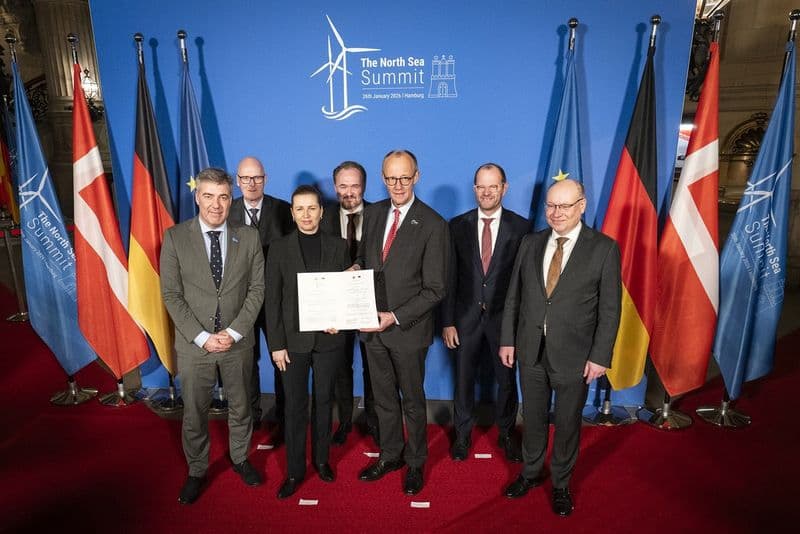
Denmark and Germany reached an agreement on Bornholm Energy Island in the Baltic Sea, including the allocation of costs related to offshore wind, at the North Sea Summit in Hamburg on 26 January. The two countries signed an agreement for the Bornholm Energy Island in 2023, which was the first legall
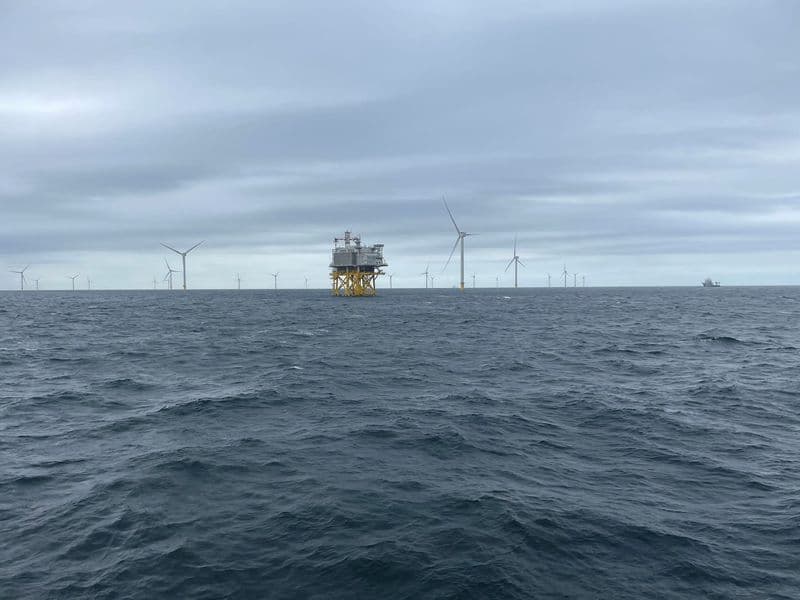
Government officials from Belgium, Denmark, France, Germany, Ireland, Luxembourg, the Netherlands, Norway and the UK are set to sign a declaration confirming the ambition to build 300 GW of offshore wind in the North Seas by 2050, and an investment pact with the offshore wind industry and transmissi
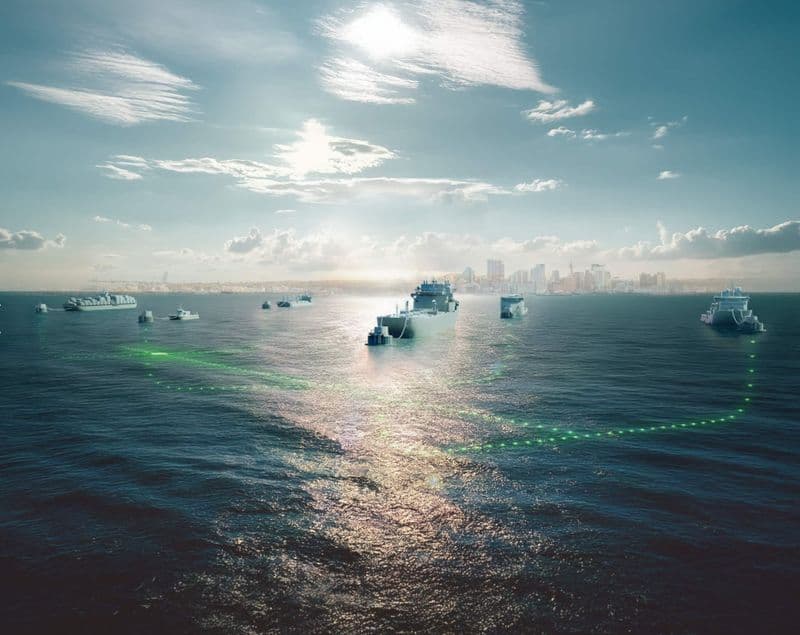
Stillstrom and Port of Roenne have teamed up on a study looking into integrating offshore wind energy with maritime electrification. Maersk’s offshore power and charging solutions developer and the Danish port have initiated a joint white paper to explore how Energy Island Bornholm could serve as a
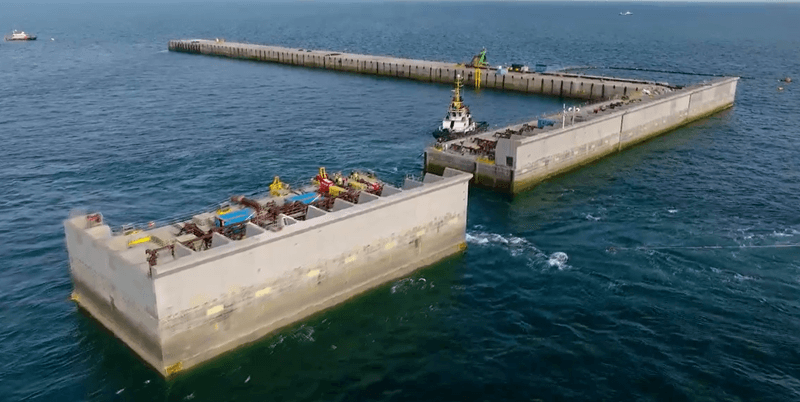
The offshore installation campaign for 2025 at Princess Elisabeth Island in the Belgian North Sea has been completed with the installation of the last caisson for this year’s works. The caissons, massive concrete structures weighing up to 22,000 tonnes, form the outer walls of the future island, loc
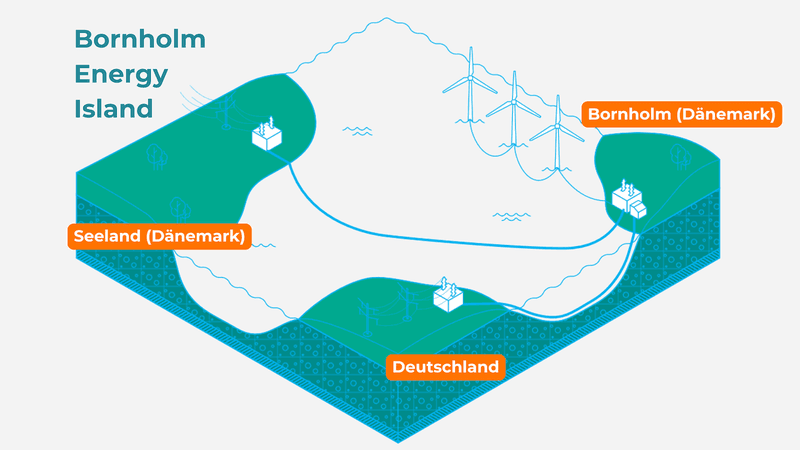
The transmission system operators (TSOs), Energinet and 50Hertz, have placed a joint order with Siemens Energy for the construction and turnkey delivery of four converter stations and other technical components that will connect the Bornholm Energy Island project to the mainland grids of Denmark and

NKT has signed a contract with the Danish transmission system operator (TSO) Energinet to deliver a high-voltage direct current (HVDC) power cable system for the offshore interconnector linking the Bornholm Energy Island to the power grid on Zealand in Denmark. NKT’s scope of work includes the deliv
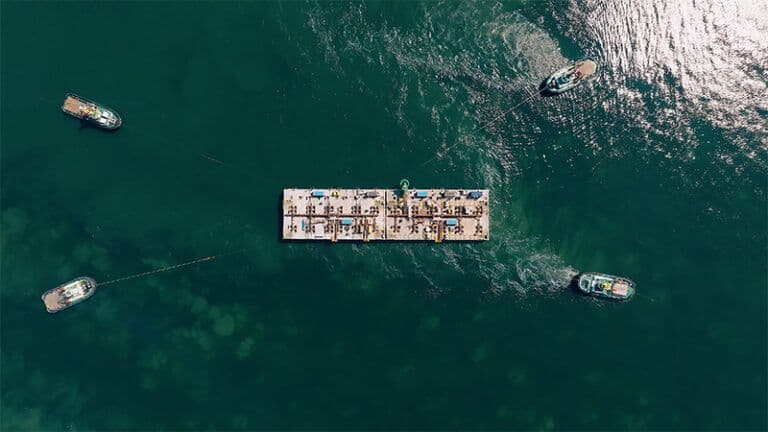
Construction has begun on the Princess Elisabeth Island, the world’s first energy island, in the Belgian North Sea, with the first two of 23 caissons already submerged at their final location. The work is being carried out on behalf of grid operator Elia Transmission Belgium by TM Edison, a joint ve
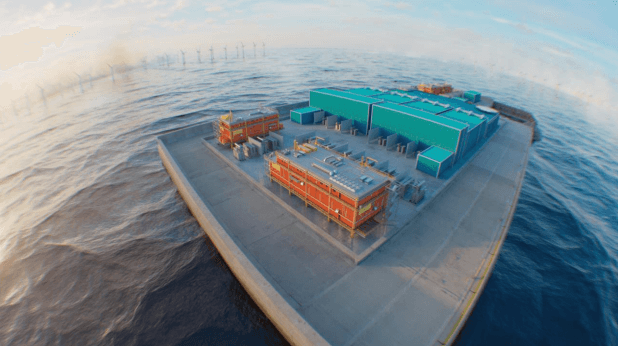
Elia Transmission Belgium (ETB) has decided to temporarily postpone the signing of the high-voltage direct current (HVDC) contracts for Princess Elisabeth Island due to the price increase for the HVDC infrastructure, according to the Belgium transmission system operator (TSO). Princess Elisabeth Isl
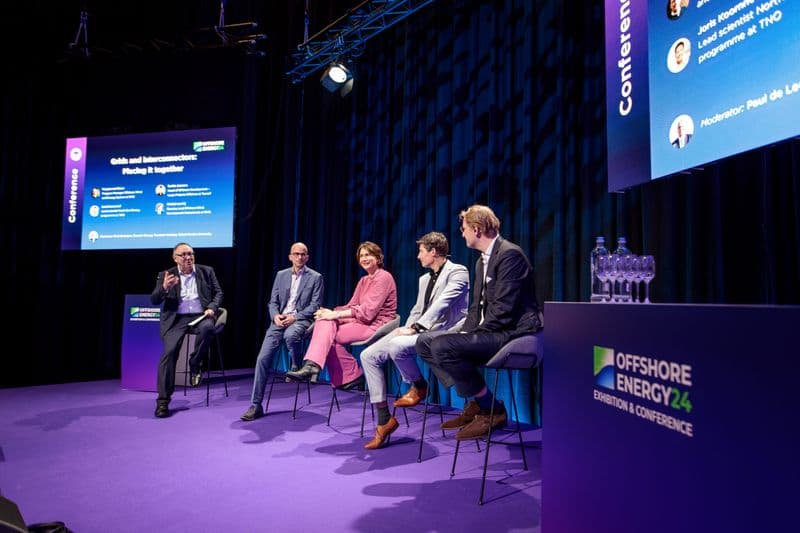
Energy islands are no longer being considered in the Netherlands. Instead, the focus has been shifted to offshore energy hubs and interconnectors. With rising (cyber)security concerns as a result of a number of recent incidents in European waters, as well as the Russia-Ukraine war, diversification o